Selected work
A small selection of projects shaped by real needs, real people, and work meant to last.
A Few Ways the Work Takes Shape

Email + Journeys

Visual Identity + Long-Form Design
Authored Work
Websites + Integrated Systems

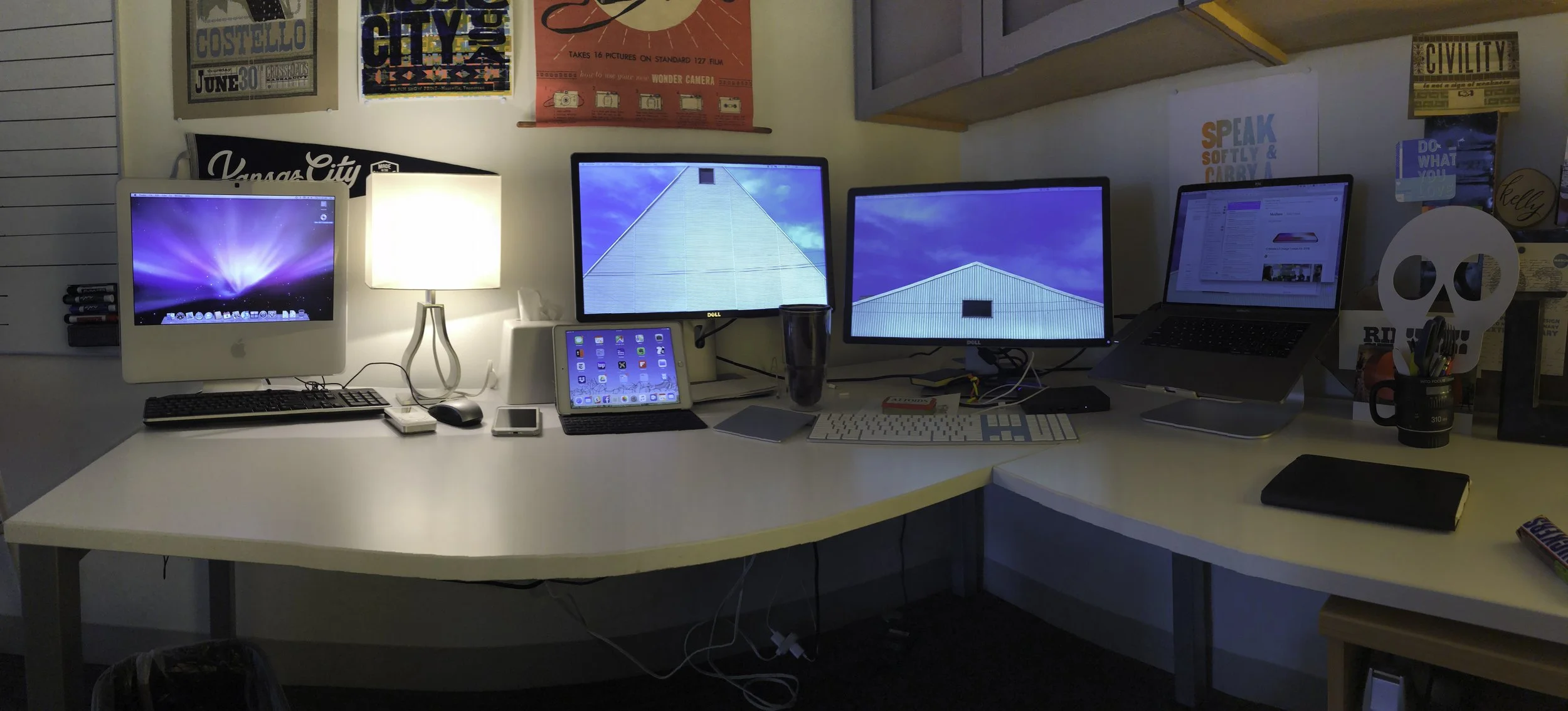
This often starts with a website, but rarely ends there. The work usually includes the surrounding systems that help it function in the real world—content structure, messaging, email, print, packaging, video, or campaign materials that need to connect rather than compete.
Sometimes this means building alongside a team. Other times it’s a more hands-on role, especially for smaller organizations or time-bound efforts. The goal is coherence: fewer loose ends, clearer pathways, and work that doesn’t feel fragile once it’s launched.
Email work focuses less on individual sends and more on how communication unfolds over time. That includes creative direction, modular systems, and messaging that responds to where people are rather than forcing everything into a single moment.
The aim is clarity and continuity: emails that feel intentional, human, and connected to the larger story an organization is telling.
This work is about shaping visual systems that can hold ideas over time. That might be a brand identity, a set of guidelines, or a book that needs to sustain attention across many pages.
The emphasis is on structure and restraint—design choices that support meaning, scale well, and don’t rely on constant reinvention to stay relevant.
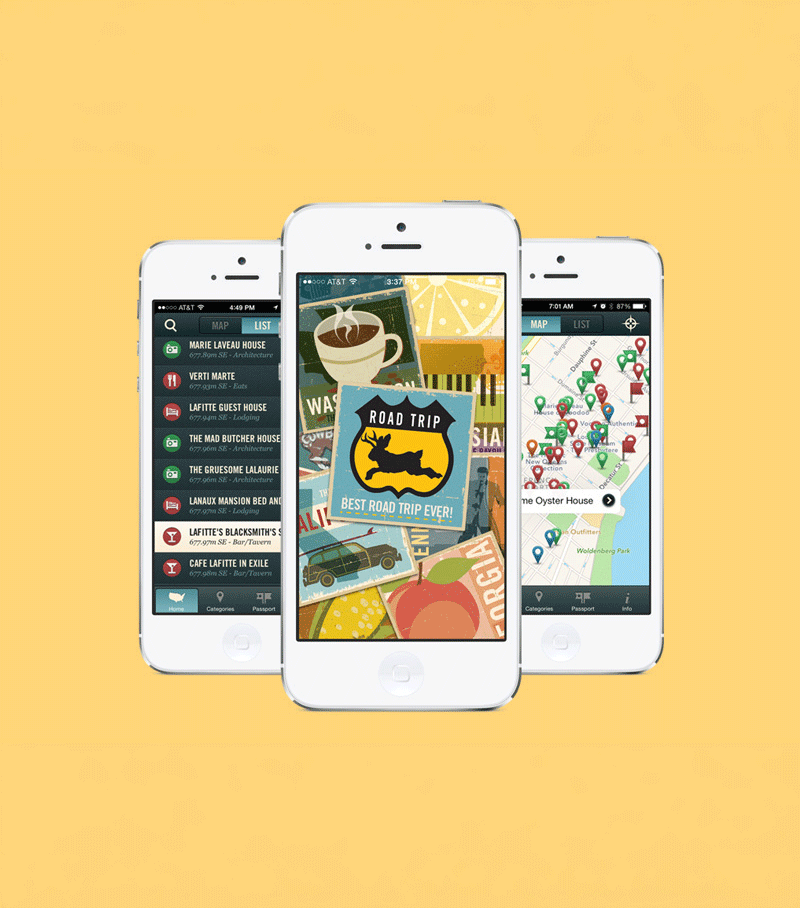
Some projects are self-initiated and long-term, driven by research, curiosity, and persistence rather than a client brief. These often combine writing, photography, design, and publishing across apps, websites, exhibitions, and books.
Because they unfold over years, this work allows for depth, experimentation, and a different relationship to time—one that values accumulation and care over quick resolution.
Teaching + Mentorship
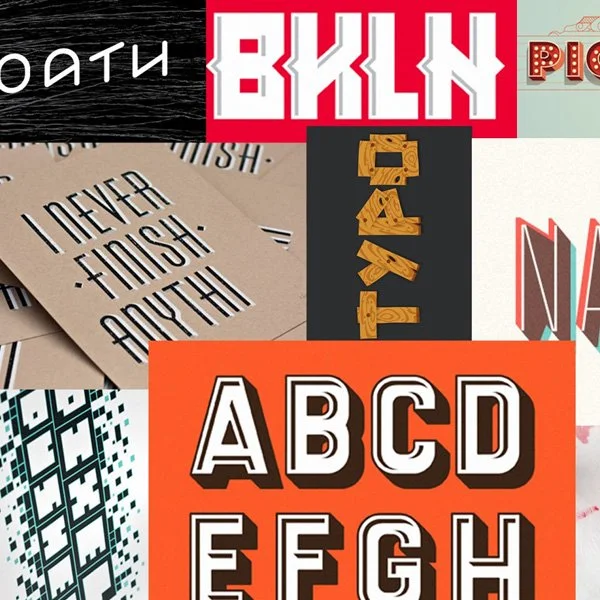
Teaching and mentorship are an extension of how the work operates elsewhere: helping people build confidence, judgment, and practical skills they can carry forward.
This includes classroom teaching, curriculum development, and one-on-one guidance—supporting emerging designers as they learn not just how to make things, but how to think about their work, their role, and their responsibilities within a larger system.